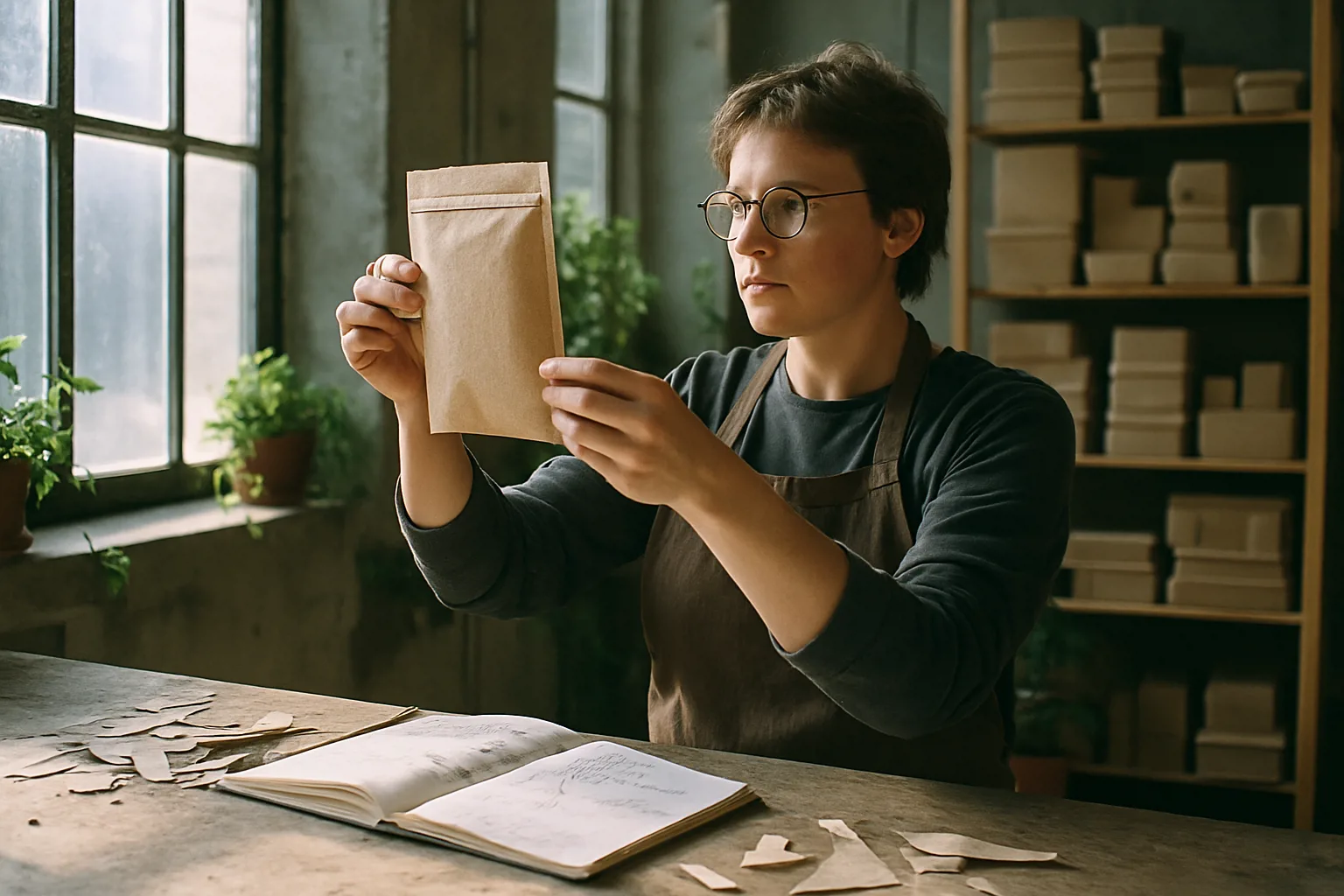
Explore how sustainable packaging design is revolutionizing the industry with innovative, eco-friendly solutions driven by consumer demand and regulatory changes.
- Regulations like the PPWR are transforming packaging standards.
- Mono-material designs enhance recyclability and align with circular economies.
- Bio-based materials like seaweed and mycelium are gaining traction.
- Smart packaging merges technology with sustainability for better consumer transparency.
- Minimalist designs emphasize functionality and reduce material use.
As environmental consciousness grows, the packaging industry is undergoing a significant transformation. From regulatory mandates to consumer-driven innovation, sustainable packaging design is at the forefront of this change. Let's explore the trends shaping eco-friendly brands in 2026.
Regulatory Frameworks Spark Innovation
The introduction of the EU Packaging and Packaging Waste Regulation (PPWR) has been a catalyst for change. Effective from August 2026, brands are now required to ensure their packaging is designed for recyclability by 2030, with minimum recycled content requirements.
The PPWR is not just a regulation; it's a roadmap for brands to follow on the path to sustainability.
This regulation pushes companies to innovate and adopt sustainable practices, significantly impacting how brands operate and design their packaging.
Adopting Circular Materials for a Greener Future
Mono-Material Packaging
Mono-material designs are becoming increasingly popular due to their enhanced recyclability. By using a single type of material, brands simplify the recycling process, aligning with the principles of the circular economy.
Bio-Based and Biodegradable Innovations
Materials derived from renewable resources, such as seaweed coatings and mycelium-based packaging, are being adopted more widely. These materials not only reduce dependence on traditional plastics but also offer compostable solutions.
Technological Advancements in Packaging
Technological integration in packaging offers exciting opportunities for brands to engage with consumers. Smart packaging, which includes the use of QR codes and NFC tags, provides valuable information like product origin, recycling instructions, and sustainability practices.
- QR codes for product authenticity and origin information
- NFC tags for interactive consumer engagement
- Augmented reality experiences for enhanced transparency
Design Trends Prioritizing Sustainability
Minimalist and Functional Designs
There's a noticeable shift towards minimalist designs that focus on functionality while reducing material usage. These designs appeal to eco-conscious consumers who value sustainability.
Tactile and Human-Centric Aesthetics
Consumers are gravitating towards packaging with natural textures and imperfections, signaling a move away from overly polished designs. This trend aligns with the anti-AI crafting movement, emphasizing authenticity and human touch.
Case Studies: Brands Leading the Way
Leading brands are setting examples with their innovative approaches:
Disney's Plastic-Free Packaging: Disney has transitioned its Classic Doll line to a fully paper-based format, reducing material usage by nearly 40% without compromising the unboxing experience.
Business Benefits of Sustainable Packaging
Adopting sustainable packaging not only meets regulatory demands but also enhances brand reputation. Consumers are increasingly demanding transparency and verified sustainability claims, pressuring brands to move away from greenwashing practices.
By aligning with sustainable practices, businesses can attract eco-conscious consumers, improve brand loyalty, and potentially see increased market share. Embracing these trends is not just good for the planet; it's good for business.
Frequently Asked Questions
What is the PPWR?
The EU Packaging and Packaging Waste Regulation mandates that all packaging be designed for recyclability by 2030 and sets minimum recycled content requirements for plastic packaging.
How are bio-based materials beneficial?
Bio-based materials like seaweed and mycelium offer compostable solutions, reducing reliance on traditional plastics and supporting environmental sustainability.
Sources
- Sustainable Packaging Trends 2026: What Every Brand Should Know
- Sustainable Cosmetic Packaging Trends Set to Transform Beauty in 2026 | PACKNODE Packaging
- 2026 Global Packaging Trends: Eco-Friendly, Smart & Personalized Designs
- Sustainable Packaging Trends for 2026 | PACKNODE Packaging
- Packaging Design Trends 2026: Beyond the Box
- Texture, warmth and tactile rebellion: the big graphic design trends for 2026
- Letting go of plastic packaging is harder than it sounds, with Disney explaining: "The biggest challenge was presentation" in its Princess doll redesign.