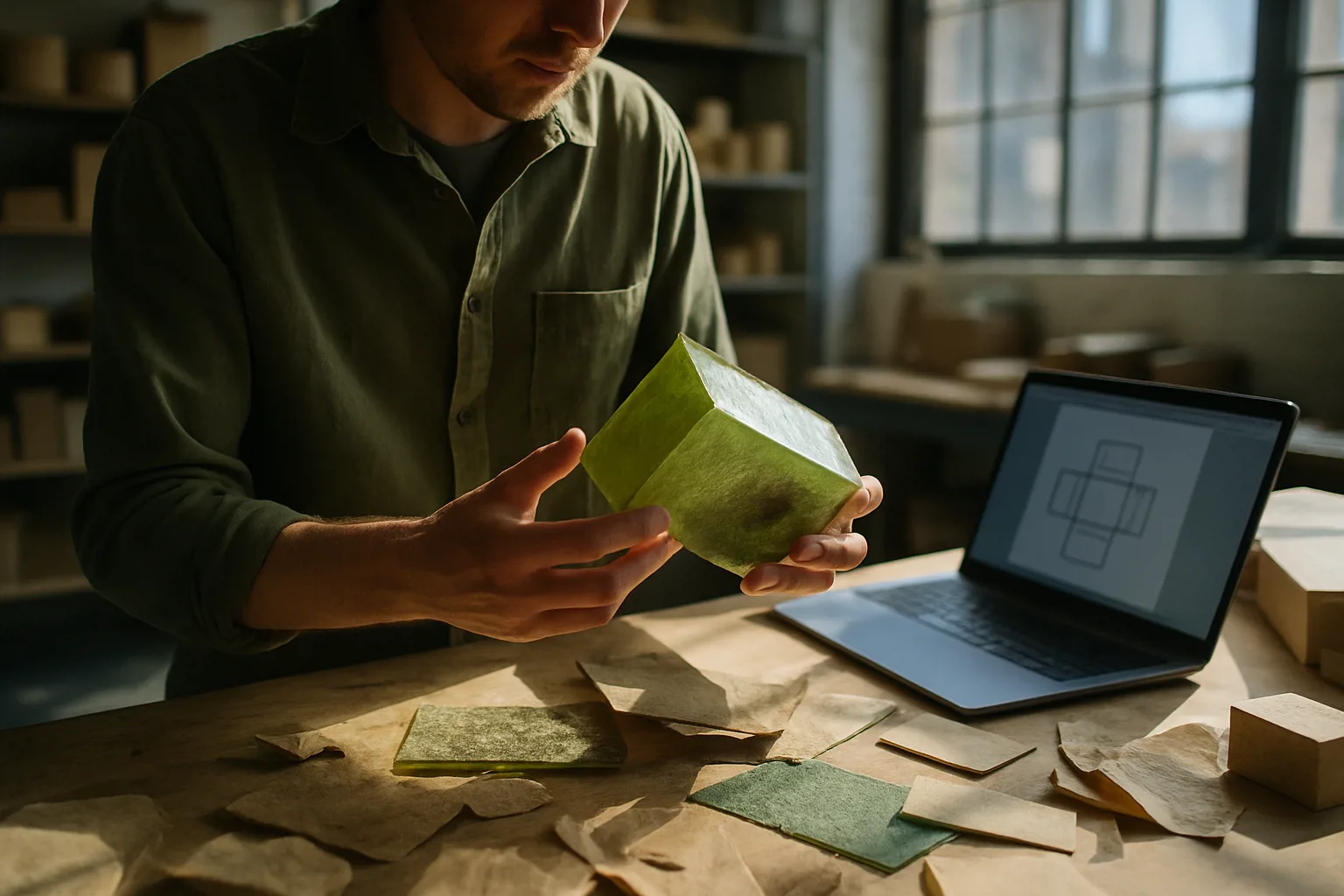
Eco-friendly packaging design in 2026 harmonizes aesthetics with sustainability through circular materials, minimalist strategies, and bio-based polymers, driven by consumer demand and regulatory pressures.
- Circular materials like seaweed-based films are replacing traditional plastics.
- Minimalist design reduces material use and enhances modern aesthetics.
- Bio-based polymers like PHA offer improved compostability.
- Mono-material structures simplify recycling processes.
- Reusable packaging initiatives are gaining traction with consumer participation.
In 2026, eco-friendly packaging design has transformed significantly, balancing aesthetic appeal with a strong commitment to sustainability. Driven by consumer expectations, regulatory mandates, and technological progress, packaging innovations are reshaping the way products are presented and protected.
Adoption of Circular Materials for Sustainable Packaging
Circular materials are at the forefront of the eco-friendly packaging movement, designed to fit seamlessly into production cycles without losing integrity.
- Molded fiber: Replacing plastic inserts, molded fiber offers a biodegradable alternative.
- Seaweed-based films: These flexible packaging solutions are made from renewable resources.
- Mycelium-based cushioning: Providing protection while being compostable.
These materials not only reduce waste but also align with consumer preferences for environmentally responsible products.
Minimalist Design: A Strategy for Sustainability
Brands are embracing minimalist designs to cut down on unnecessary materials, which also enhances the visual appeal of packaging.
Key Elements of Minimalist Design
- Reduced ink usage for a cleaner look.
- Elimination of non-functional inserts to lower material consumption.
- Uncoated paper finishes to convey a natural, organic feel.
The minimalist approach not only reduces material consumption but also conveys a modern aesthetic that appeals to eco-conscious consumers.
Minimalism in packaging reflects a broader trend towards simplicity and sustainability, resonating with modern consumers.
Bio-Based and Compostable Polymers: A New Frontier
Advanced biodegradable polymers, such as Polyhydroxyalkanoates (PHA) and Polybutylene Succinate (PBS), are gaining attention for their environmental benefits.
These polymers break down more efficiently than conventional plastics, reducing environmental impact and offering new possibilities for sustainable packaging solutions.
Mono-Material Structures Enhance Recyclability
By focusing on mono-material designs, companies simplify the recycling process, reducing contamination and improving material recovery rates.
| Packaging Type | Recyclability |
|---|---|
| Mono-material | High |
| Multi-material | Low |
This approach not only benefits the environment but also aligns with regulatory requirements and consumer expectations for sustainable practices.
Regulatory Pressures and Reusable Packaging Initiatives
The U.S. market for sustainable packaging is expanding, driven by regulatory compliance and Extended Producer Responsibility (EPR) laws.
States like California and Washington are holding producers accountable for the end-of-life management of their packaging, encouraging the adoption of reusable packaging systems.
These initiatives require active consumer participation and a careful assessment of the environmental impact of producing reusable containers.
Business Benefits of Eco-friendly Packaging
Adopting sustainable packaging designs not only meets regulatory requirements but also enhances brand reputation, appeals to eco-conscious consumers, and can lead to cost savings.
Businesses that innovate in this area can differentiate themselves in the marketplace, build trust with consumers, and contribute to a more sustainable future.
For companies looking to lead in sustainability, eco-friendly packaging design offers an opportunity to align business goals with environmental values, paving the way for long-term success.
Frequently Asked Questions
What are circular materials?
Circular materials are designed to re-enter production cycles with minimal degradation, such as molded fiber and seaweed-based films.
How does minimalist design contribute to sustainability?
Minimalist design reduces material use, ink consumption, and non-functional inserts, creating a cleaner, more sustainable packaging solution.
What are the benefits of bio-based polymers?
Bio-based polymers like PHA are compostable, reduce environmental impact, and offer an alternative to traditional plastics.
Sources
- Eco Friendly Packaging Trends in 2026 - Cxgiae
- Eco-Friendly Packaging Trends in 2026: A Data-Backed Guide for Global Distributors & Wholesalers - YWCC Package
- Eco-Friendly Packaging Trends Shaping the USA in 2026
- The Future of Sustainable Packaging Technology: Innovations Reshaping 2026 and Beyond | PACKNODE Packaging
- Packaging Design Trends 2026: Beyond the Box
- Reusable Packaging Is the Latest Eco-Friendly Trend. But Does It Actually Make a Difference?
- Letting go of plastic packaging is harder than it sounds, with Disney explaining: "The biggest challenge was presentation" in its Princess doll redesign.
- Texture, warmth and tactile rebellion: the big graphic design trends for 2026